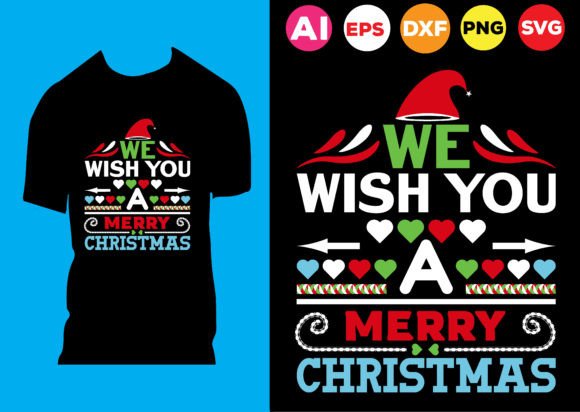
Reviewing the Christmas T-Shirt Vector Design
As an embroidery designer who has spent countless hours digitizing and stitching holiday motifs, I approach every new machine embroidery design with a mix of excitement and skepticism. The market is flooded with seasonal graphics, but few translate well from screen to fabric. Recently, I evaluated the CRISTMAS T-SHIRT VECTOR DESIGN to determine its viability for real-world projects. This isn’t just about whether it looks cute on a monitor; it is about how it behaves under the needle, how it drapes on a garment, and whether it holds up to the rigorous standards of a professional craft business.
First Impressions and Visual Personality
The first thing that strikes you about this digital embroidery file is its bold, graphic nature. Unlike intricate lace patterns or photorealistic portraits, this design leans into the festive spirit with clear lines and recognizable holiday iconography. The mood is cheerful and inviting, perfectly suited for the cozy, nostalgic atmosphere of the winter season. From a layout perspective, the composition feels balanced, avoiding the common pitfall of having elements that are too spread out or uncomfortably cramped.
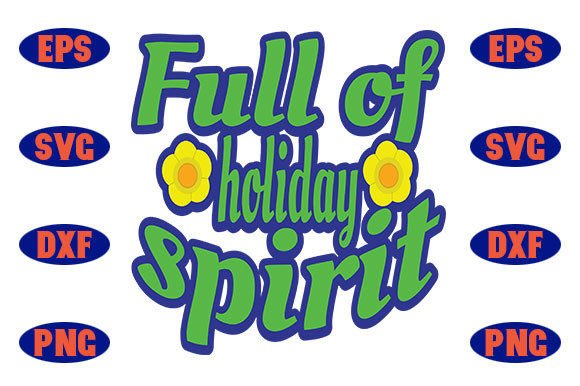
For an Etsy seller or boutique owner, visual appeal is the primary driver of clicks. This design offers high recognition value. Whether it features classic symbols like snowflakes, reindeer, or stylized text, the clarity of the vector source suggests that the digitized version should maintain sharp edges. However, as experienced makers know, a clean vector does not always guarantee a clean stitch-out. The transition from Print Templates to thread requires careful consideration of stitch types and density.
Real-World Application: The Sweatshirt Test
To truly understand the potential of the CRISTMAS T-SHIRT VECTOR DESIGN, I imagined a specific scenario: creating a line of custom holiday sweatshirts for a local boutique. Sweatshirts are a staple in winter apparel, but they present unique challenges due to their thickness and texture. When planning this embroidery project, the design’s scale becomes critical. If the motif is too large, it can stiffen the chest area of the garment, making it uncomfortable to wear. If it is too small, the details might get lost in the fleece texture.
In this context, the design shines as a centerpiece for sweatshirt embroidery. Its robust lines suggest it would handle well on heavier fabrics. I envision using a combination of satin stitch for borders and text, and fill stitch for larger solid areas. The key here is managing the stitch density. A design intended for a t-shirt might need adjustment when moved to a thick hoodie. Reducing the density slightly can prevent puckering and ensure the fabric retains its natural drape. For a personalized gift or a small shop product, this balance between visual impact and wearability is what separates amateur efforts from professional-grade merchandise.
Versatility Across Product Lines
Beyond sweatshirts, this design demonstrates remarkable versatility. It translates effectively to a tote bag design, where durability is paramount. On canvas or heavy cotton, the stitches will sit prominently, creating a tactile experience that customers love. For baby embroidery projects, such as onesies or bibs, the design would need to be scaled down significantly. In these cases, simplifying the color palette and ensuring no tiny, fragile elements exist is crucial for safety and longevity after repeated washing.
I also considered its use on accessories like caps and aprons. Embroidering on curved surfaces like caps requires precise hooping and often benefits from designs that have a clear focal point. The CRISTMAS T-SHIRT VECTOR DESIGN appears structured enough to work well in a central cap placement, provided the hoop size accommodates the width without distortion. For kitchen towels or aprons, the festive theme adds immediate seasonal charm, making it an excellent choice for holiday hosting gifts or promotional items for cafes and bakeries.
Technical Considerations and Stitching Clarity
While the aesthetic is strong, the technical execution determines the success of the finished product. One must carefully evaluate the thread colors recommended or chosen for this design. High contrast is essential for readability, especially if the design includes text or fine details. Testing the design on both light and dark fabrics is a non-negotiable step. A design that pops on white cotton might disappear on navy blue fleece if the thread values are not adjusted accordingly.
Another critical factor is the choice of stabilizer. For stretchy fabrics like t-shirts, a cut-away stabilizer is usually preferred to support the stitches over time. For woven fabrics like tote bags or pillow covers, a tear-away might suffice. The CRISTMAS T-SHIRT VECTOR DESIGN likely contains areas of dense stitching. Without proper stabilization, these areas can pull the fabric, causing unsightly puckering that ruins the professional look of the item. Always test on scrap fabric first. This simple step saves time, materials, and reputation.
Navigating Potential Pitfalls
There are scenarios where this design should be used with caution. Tiny lettering or intricate corners can be problematic if the digitizing is not precise. Under the microscope of close inspection, poorly converted vectors can result in jagged edges or thread breaks. If the design includes very small elements, consider whether they are necessary. Sometimes, less is more. Removing unnecessary detail can improve stitching clarity and reduce production time.
Additionally, be mindful of fabric texture. Highly textured fabrics like bouclé or loose knits can swallow small stitches, making the design look muddy. In such cases, using an applique design technique might be a smarter alternative. By placing a piece of fabric under the design and stitching around it, you create a bold look that sits well on difficult textiles. This approach also reduces stitch count, which can lower production costs for commercial embroidery runs.
Enhancing Brand Value and Customer Trust
Ultimately, the goal of using a design like CRISTMAS T-SHIRT VECTOR DESIGN is to create a handmade product that resonates with buyers. Quality embroidery signals professionalism. When a customer receives a item with clean, consistent stitching, it builds trust in your brand. It suggests that you care about the details, which encourages repeat business and positive reviews.
For digital product sellers, offering this design as part of a bundle or as a standalone design asset can attract hobbyists looking for reliable files. Including tips on hoop size, stabilizer choice, and thread recommendations adds value to your listing. It shows that you understand the user’s journey from download to finished item. For those creating printable mockups to showcase the design, ensure the digital representation accurately reflects the texture and dimension of real thread. Misleading previews can lead to disappointed customers and returns.
Final Verdict for Makers and Entrepreneurs
The CRISTMAS T-SHIRT VECTOR DESIGN is a promising addition to any holiday collection. Its strength lies in its adaptability and festive appeal. However, its success depends entirely on the maker’s attention to technical details. Before launching a full production run or listing it in your store, take the time to stitch out samples. Check the license terms to confirm whether it allows for commercial embroidery sales. Verify the file formats compatible with your machine.
By treating this design not just as a graphic, but as a physical object that interacts with fabric and thread, you elevate your work. Whether you are creating a single personalized gift or a hundred units for a craft fair, the principles remain the same: test, adjust, and refine. With careful execution, this design can become a standout piece in your winter lineup, bringing joy to customers and profit to your business.