Reviewing the Winter Green Landscape Wedding Card Design
As a designer who has spent countless hours digitizing patterns and testing them on everything from delicate silk to heavy canvas, I approach every new machine embroidery design with a critical eye. It is not just about whether the image looks pretty on a screen; it is about how those digital lines translate into physical thread. Recently, I evaluated the Winter Green Landscape Wedding Card, a piece categorized under Print Templates, to determine its viability for real-world embroidery projects. While the source material suggests a print origin, the visual structure offers intriguing possibilities for stitchers willing to adapt the aesthetic for fabric.
First Impressions: Mood and Visual Personality
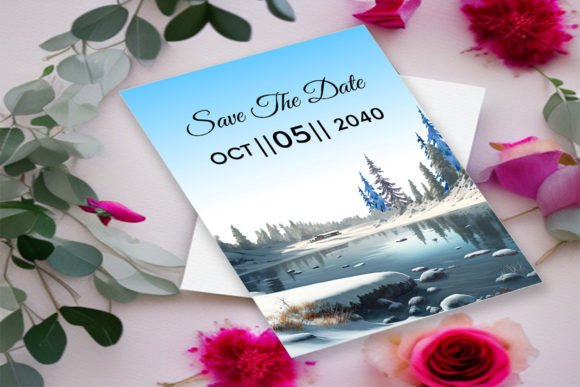
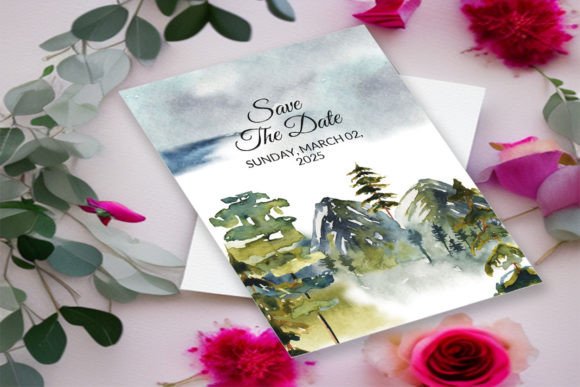
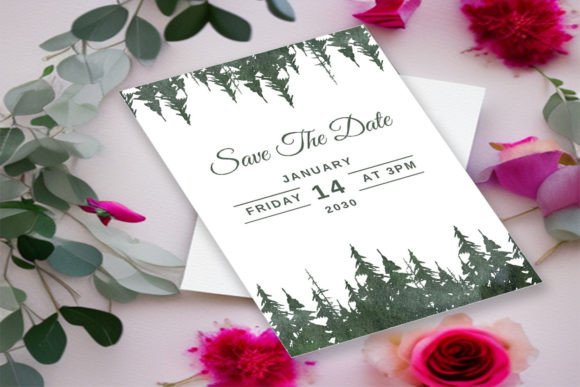
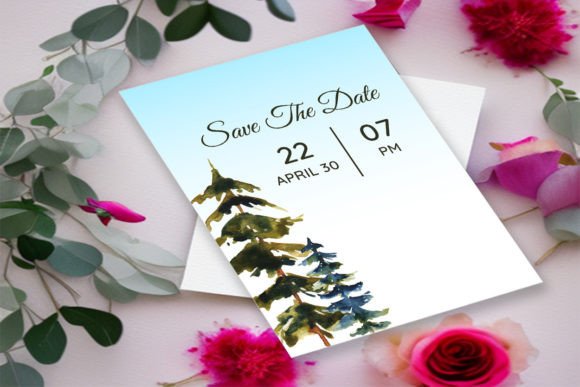
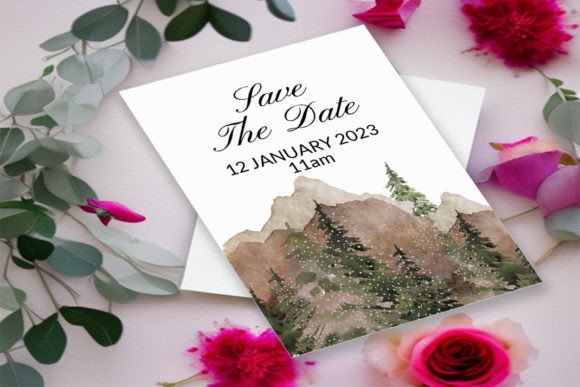
The immediate impact of the Winter Green Landscape Wedding Card is one of serene elegance. The composition relies heavily on organic shapes and a muted, natural color palette that evokes the quiet beauty of a frost-covered forest. For an embroidery designer, this translates to a design that prioritizes flow over rigid geometry. The layout feels balanced, with enough negative space to prevent the final stitched product from looking cluttered. This is crucial because embroidery, unlike printing, adds texture and height to the fabric. A design that is too busy can easily become a stiff, unappealing patch rather than a decorative element.
The theme suggests sophistication and calm, making it an ideal candidate for high-end personalized gifts or boutique merchandise. It does not scream for attention; instead, it invites closer inspection. This subtle confidence is exactly what many modern craft businesses aim for when building a brand identity that feels authentic and handmade.
Real-World Application: From Digital File to Finished Product
To truly understand the value of this design, I imagined applying it to various substrates. The most natural fit for the Winter Green Landscape Wedding Card aesthetic is undoubtedly home decor and formal apparel. Picture this design stitched onto a high-quality linen tote bag. The rustic yet refined vibe of the landscape would complement the texture of the linen beautifully, creating a handmade product that feels both durable and stylish. For an Etsy seller, this could be a standout item in a wedding gift collection, appealing to couples who prefer nature-inspired motifs over traditional monograms.
Another compelling application is on outerwear. Imagine this landscape embroidered on the back of a wool blend coat or a structured blazer. The horizontal expanse of the landscape allows for a wider hoop usage, which can create a striking statement piece. However, one must consider the stitch density. If the original embroidery file is dense, it may weigh down lighter fabrics. In such cases, using it as an applique design could be a smarter route. By cutting fabric shapes to match the landscape elements and securing them with a satin stitch or running stitch border, you reduce bulk while maintaining the visual integrity of the scene.
For smaller items, such as a baby embroidery project on a muslin swaddle or a nursery pillow cover, the design would need significant scaling down. Here, the challenge lies in preserving the detail. Tiny trees or intricate horizon lines might merge into a blob if the stitch count is too high for the scale. Therefore, simplifying the design for smaller hoop size applications is a necessary step for any professional decorator.
Technical Considerations and Fabric Compatibility
When working with a design derived from a visual template like the Winter Green Landscape Wedding Card, fabric choice is paramount. The design’s success hinges on contrast and clarity. On dark fabrics, the lighter greens and whites of the winter scene will pop, provided you use high-quality rayon or polyester threads with good sheen. On light fabrics, you may need to introduce darker outline stitches to define the shapes, ensuring the design does not wash out.
Textured fabrics present another layer of complexity. Stitching on a waffle-knit towel or a coarse burlap requires careful stabilization. A cut-away stabilizer is often recommended for garments that will be washed frequently, as it provides lasting support and prevents the stitches from puckering the fabric over time. For stretchy materials like jersey t-shirts used in custom apparel, a hoopless technique or a specialized stabilizer setup is essential to avoid distortion of the landscape’s straight lines.
One must also be cautious with curved surfaces. Applying this wide landscape design to a cap or hat requires splitting the design or using a specialized curved hoop. The natural horizon line of the landscape might appear warped if not centered perfectly on the crown of a cap. For beginners, sticking to flat surfaces like tote bag design projects or pillow covers is safer until they master the tension adjustments needed for curved embroidery projects.
Enhancing Brand Value and Customer Trust
From a business perspective, the quality of your design assets directly influences customer perception. Using a well-balanced design like the Winter Green Landscape Wedding Card signals professionalism. It shows that you care about aesthetics and composition. When customers receive a personalized gift that looks cohesive and well-executed, their trust in your craft business grows. This leads to repeat buyers and positive reviews, which are the lifeblood of any small shop product line.
Moreover, versatility is key. This design can serve multiple seasons. While it evokes winter, the green elements keep it relevant for early spring or holiday-themed collections. This flexibility allows commercial embroidery providers to maximize the utility of a single digital embroidery file, reducing the need to constantly purchase new designs. It becomes a staple in your library, ready for holiday embroidery runs or year-round nature-themed collections.
Practical Designer Notes for Execution
Before committing to a full production run, always test the design on scrap fabric similar to your final material. Check the thread colors against both light and dark backgrounds to ensure visibility. If the design includes fine details, inspect them closely after stitching. Are the fill stitch areas smooth, or are there gaps? Is the satin stitch edging consistent? These small details determine whether the final product looks amateur or expert.
It is also wise to create a black and white mockup of the design. This helps you evaluate the contrast and shape recognition without the distraction of color. If the design loses its form in grayscale, it may rely too heavily on color gradients that embroidery cannot replicate. In such cases, manual editing of the stitch file to add outlining or adjust density may be required.
Finally, always verify the licensing terms. Since this item is categorized under Print Templates, ensure that the creator grants rights for commercial embroidery use. Some digital files are restricted to personal use only. Confirming this before selling finished product items protects your business from legal issues and ensures you are respecting intellectual property rights.
In conclusion, the Winter Green Landscape Wedding Card offers a sophisticated foundation for various embroidery applications. With careful attention to fabric choice, stabilization, and stitch adjustment, it can elevate simple items into cherished keepsakes. For the discerning designer, it is not just a pattern, but a tool for creating meaningful, tactile art.