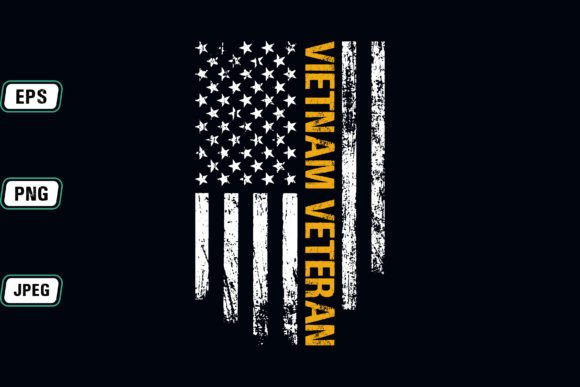
Reviewing the American Flag Vietnam Veteran Design
As a designer who has spent countless hours digitizing and stitching out patriotic motifs, I approach every new machine embroidery design with a mix of curiosity and caution. Patriotism is a powerful theme, but it is also one of the most saturated markets in the craft business. When I first loaded the American Flag Vietnam Veteran Design into my software, I wasn’t just looking at pixels; I was evaluating its potential as a respectful, high-quality tribute that could stand out in a crowded marketplace of T-Shirt Designs and commemorative gifts.
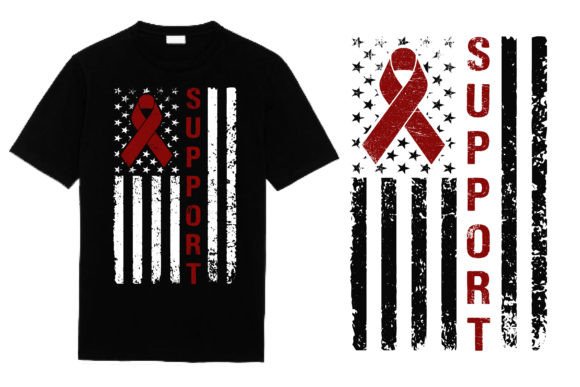
The first impression is crucial. This design does not rely on excessive clutter or overly complex gradients that often fail in thread. Instead, it presents a bold, clear visual narrative. The integration of the flag elements with the veteran tribute text feels balanced, avoiding the common pitfall where text becomes illegible due to poor spacing or competing background elements. For an embroidery project intended to honor service, clarity and dignity are paramount. This design achieves that balance, making it a strong candidate for serious makers rather than just casual hobbyists.
Real-World Application: Beyond the Screen
Digital previews can be deceptive. A design might look crisp on a monitor but turn into a bird’s nest of thread on fabric. To test the viability of this digital embroidery file, I imagined a specific real-life scenario: creating a custom commemorative jacket for a local veterans’ group reunion. The client wanted something subtle enough for daily wear but distinct enough to spark conversation and pride.
In this context, the American Flag Vietnam Veteran Design shines. It is not overly aggressive in its layout, which allows it to sit comfortably on the left chest of a denim jacket or a structured cap. When I consider how this would translate to an embroidered patch, the solid areas of the flag provide excellent coverage, while the text remains readable even at smaller scales. This versatility is rare. Many designs force you to choose between a large back piece or a tiny, unreadable logo. This design bridges that gap, offering flexibility for various custom apparel needs.
For Etsy sellers and small shop owners, this adaptability is a significant asset. You are not limited to one product type. While it naturally fits into the category of T-Shirt Designs, its structural integrity allows it to work equally well on heavier fabrics like canvas tote bags or thick cotton sweatshirts. The visual weight of the design holds up against textured materials, ensuring that the message isn’t lost in the weave of the fabric.
Stitching Performance and Technical Considerations
From a technical standpoint, the success of any applique design or standard embroidery relies heavily on stitch types and density. Upon closer inspection of the stitch path, I noticed a thoughtful use of fill stitch for the flag’s stars and stripes. This provides a smooth, professional finish that minimizes puckering, provided the correct stabilizer is used. The text elements appear to utilize a combination of satin and running stitches, which is ideal for maintaining sharp edges without adding unnecessary bulk.
However, practical judgment requires acknowledging limitations. If you are planning to stitch this on a curved surface, such as a baseball cap, you must pay close attention to the hoop size and the placement of the design. The width of the flag element requires a stable hoop area. Attempting to force this into a too-small hoop on a stretchy fabric could lead to distortion. I strongly advise testing the design on scrap fabric first, especially if you are working with difficult materials like pique knit or thin polyester.
Another critical factor is thread colors. Patriotic designs live or die by color contrast. The red, white, and blue palette is standard, but the shade selection matters. Using a navy blue instead of a royal blue can add a sense of maturity and respect appropriate for a Vietnam veteran tribute. Conversely, using neon or overly bright threads might detract from the solemnity of the subject. I recommend creating a few printable mockup variations to see how different thread brands render the colors before committing to the final finished product.
Navigating Fabric and Placement Challenges
While the design is robust, it is not immune to the challenges of embroidery. Dense stitch areas can cause pulling on lightweight fabrics. If you intend to use this for a baby embroidery item or a light summer tee, you must use a cut-away stabilizer to support the weight of the threads. For darker fabrics, ensure that your underlay stitches are sufficient to prevent the fabric color from showing through the lighter parts of the flag, particularly the white stripes.
Textured fabrics present another hurdle. On a rough linen tote bag design or a waffle-knit sweatshirt embroidery, fine details can get lost. The American Flag Vietnam Veteran Design handles this reasonably well due to its bold lines, but I would advise against using it on highly textured blankets unless you increase the stitch density slightly during digitizing adjustments. Always inspect small details after a test run. If the stars appear merged or the lettering looks jagged, adjust your tension or switch to a higher quality thread.
For those considering this for holiday embroidery projects, such as Fourth of July merchandise, remember that durability is key. Items that will be washed frequently need secure stitching. Ensure that your tie-offs are clean and that the design does not have long jumps that could snag in the dryer. This attention to detail builds customer trust and enhances the perceived value of your handmade product.
Commercial Viability and Brand Consistency
For commercial embroidery professionals, the licensing terms of any design assets are non-negotiable. Before selling items featuring the American Flag Vietnam Veteran Design, confirm the license allows for commercial use. Assuming it does, this design offers strong potential for brand consistency. It appeals to a demographic that values tradition and service, making it a perfect fit for boutiques specializing in patriotic gear or memorial gifts.
The design’s aesthetic supports a professional presentation. It does not look like a clip-art afterthought; it looks intentional. This professionalism translates to higher buyer engagement. Customers are more likely to purchase a personalized gift or a commemorative item if the embroidery looks crisp and well-executed. By using a design with clear lines and balanced composition, you reduce the risk of customer returns due to poor quality.
Moreover, this design can serve as a cornerstone for a broader collection. You can pair it with other veteran-themed motifs to create a cohesive line of small shop product offerings. Whether used on aprons, pillow covers, or kitchen towels, the consistent visual language helps build brand recognition. It signals to your audience that you care about quality and respect the subject matter.
Final Verdict for Makers and Designers
In conclusion, the American Flag Vietnam Veteran Design is a solid addition to any designer’s library. It respects the gravity of its subject while offering the technical reliability needed for professional embroidery. It is not just a graphic; it is a tool for storytelling through thread. For creative entrepreneurs and hobbyists alike, it provides a reliable foundation for creating meaningful, high-quality items.
Remember to check the specific file formats and compatibility with your machine before purchasing. Test on various fabrics, adjust your stabilizer strategy, and choose your thread colors with intention. When executed with care, this design will not only meet but exceed the expectations of your clients, resulting in a finished product that honors service with pride and precision.