Old Fashioned Horse Drawn: A Crafts Asset Review
As a brand designer and content marketer, I am constantly sifting through the noise of the creative marketplace to find assets that offer genuine storytelling value. Recently, I evaluated the Old Fashioned Horse Drawn graphic design asset for an upcoming seasonal campaign for a boutique artisanal soap company. In an era where digital saturation is high, finding imagery that grounds a brand in authenticity is crucial. This review breaks down how this specific illustration performs in real-world marketing scenarios, focusing on its ability to elevate small business branding without compromising professional standards.
First Impressions and Emotional Resonance
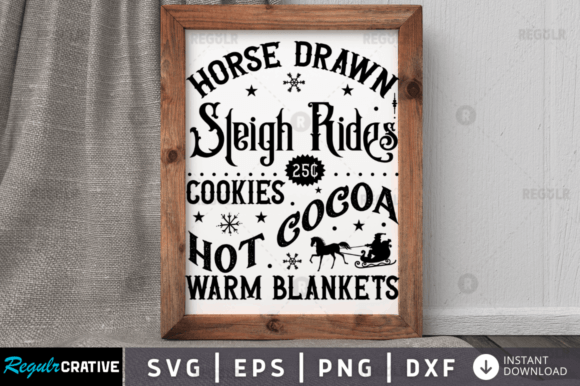
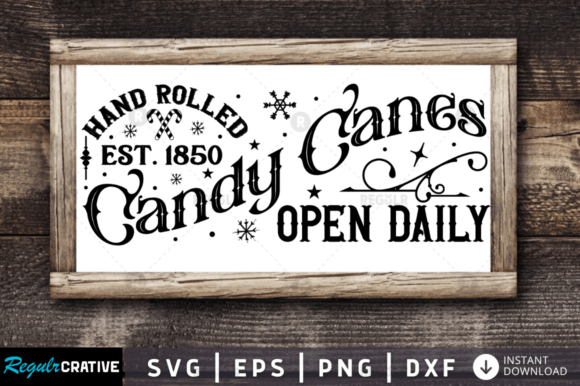
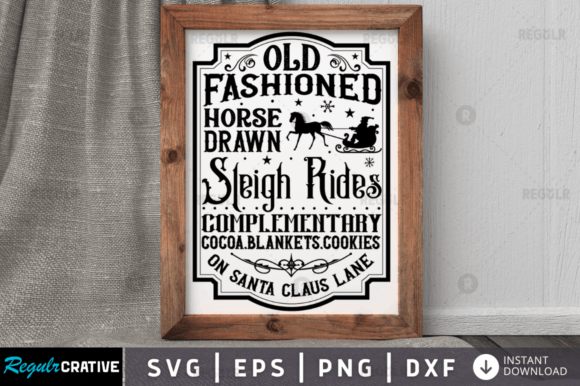
The moment you load the Old Fashioned Horse Drawn file, the mood is immediately established: nostalgia, reliability, and slow living. Unlike generic stock photography that often feels sterile, this illustration carries a handcrafted weight that aligns perfectly with the Crafts category. For brand owners, the emotional tone is the first hook. This asset suggests a return to simpler times, making it ideal for businesses selling handmade goods, organic products, or heritage services.
When placed against a clean background, the lines are crisp yet retain a vintage charm. It does not feel messy or amateurish; rather, it exudes a curated aesthetic that builds audience trust. For a content creator, this means the asset can support a narrative of quality and tradition. Whether used for a lifestyle blog header or a product launch visual, it creates a stronger first impression than standard modern icons because it invites the viewer to pause and appreciate the detail.
Integrating the Asset into Marketing Workflows
In our hypothetical campaign for the artisanal soap brand, the goal was to promote a new "Heritage Collection." The Old Fashioned Horse Drawn illustration became the centerpiece of our visual hierarchy. We utilized the PNG design version for social media graphics, specifically Instagram posts and Pinterest pins. The clarity of the image allowed it to stand out even when scaled down for mobile feeds.
Beyond social media, this graphic design asset proved versatile for packaging design. We mocked up the illustration on product labels and packaging inserts. Because the style is distinct, it helped differentiate the product on a crowded shelf. It also worked exceptionally well in editorial design for the brand's lookbook, pairing beautifully with serif fonts to create a cohesive, magazine-quality feel. For digital sellers creating Canva templates, this type of clipart adds immediate value, allowing users to build professional-looking flyers, posters, and merchandise stickers with minimal effort.
Strategic Applications for Brand Identity
The utility of Old Fashioned Horse Drawn extends far beyond a single post. Here is how it functions across various touchpoints:
- Logo Design: While likely too detailed for a favicon, it serves as a fantastic secondary mark or badge for brand identity systems focused on heritage.
- Web Design: Perfect for website headers or hero graphics that need to set a specific tone before the user scrolls.
- Digital Ads: In Facebook and Google ads, unique illustrations often yield higher click-through rates than photos because they interrupt the scrolling pattern.
- Email Banners: Adds a decorative element to newsletters that feels personal rather than corporate.
- Lead Magnets: Enhances the perceived value of downloadable guides or media kits by adding a layer of custom creative design.
Limitations and Where to Use Caution
Every design asset has its boundaries. While Old Fashioned Horse Drawn is powerful, it is not a universal solution. I would advise against using it in formal corporate branding where a sleek, ultra-modern, or tech-forward image is required. It might clash with brands that rely on neon colors, geometric abstraction, or minimalist industrial aesthetics.
Furthermore, caution is needed in dense information layouts. Because the illustration has intricate details, placing it over busy backgrounds or next to heavy blocks of text can reduce readability. It should not compete with the main message. In small mobile graphics where space is at a premium, ensure the lines remain visible; otherwise, simplify the composition. If your brand strategy relies on low-contrast backgrounds, test the asset thoroughly to ensure it doesn't disappear into the noise.
Designer Notes for Professional Execution
To get the most out of this digital product, follow these practical steps before launching your campaign:
- Color Palette Testing: Do not assume the default colors will work. Recolor the SVG design to match your specific brand hex codes. This ensures consistency across all marketing visuals.
- Monochrome Verification: Always check how the illustration looks in black and white. This is critical for printable design applications like receipts, invoices, or newspaper ads.
- Font Pairing: This asset shines when paired with the right typography. Experiment with classic serif fonts for elegance, handwritten fonts for a personal touch, or bold display fonts for a modern twist. Avoid overly technical sans-serif fonts unless you are aiming for a specific ironic contrast.
- Mobile Preview: Never finalize a design without previewing it on a actual mobile device. What looks balanced on a desktop monitor may feel cluttered on a phone screen.
- Licensing Check: Before using this in commercial design projects, client work, or paid ads, confirm the commercial license terms. Ensure you have the rights for unlimited impressions if the campaign goes viral.
Final Verdict on Visual Consistency
The Old Fashioned Horse Drawn asset is a strong contender for any brand looking to inject warmth and history into their visual language. It supports content marketing goals by providing a memorable campaign visual that fosters an emotional connection. When used correctly, it improves engagement and strengthens recognition. It transforms a standard design bundle addition into a strategic tool for professional branding.
For creative entrepreneurs and online coaches, incorporating such specific design assets helps avoid the "template look" that plagues many small businesses. By anchoring your product label or social media cover in this kind of illustrative style, you signal attention to detail. Ultimately, this asset is not just an image; it is a bridge between your brand's story and your audience's perception, provided it is integrated with intention and strategic foresight.